Segment Planning • Camps • Trail Connections
The Pacific Crest Trail spans thousands of miles from Mexico to Canada, crossing deserts, mountain ranges, forests, and high alpine terrain. For horse riders, it functions less as a single continuous route and more as a series of segments shaped by access, regulations, seasonality, and horse readiness.
This page exists to support planning and context, not to suggest riding the PCT end to end. It helps riders understand where the trail runs through Oregon and Washington, how it overlaps with other trail systems, and where camps and connectors make practical sense for multi-day or thru-style rides.
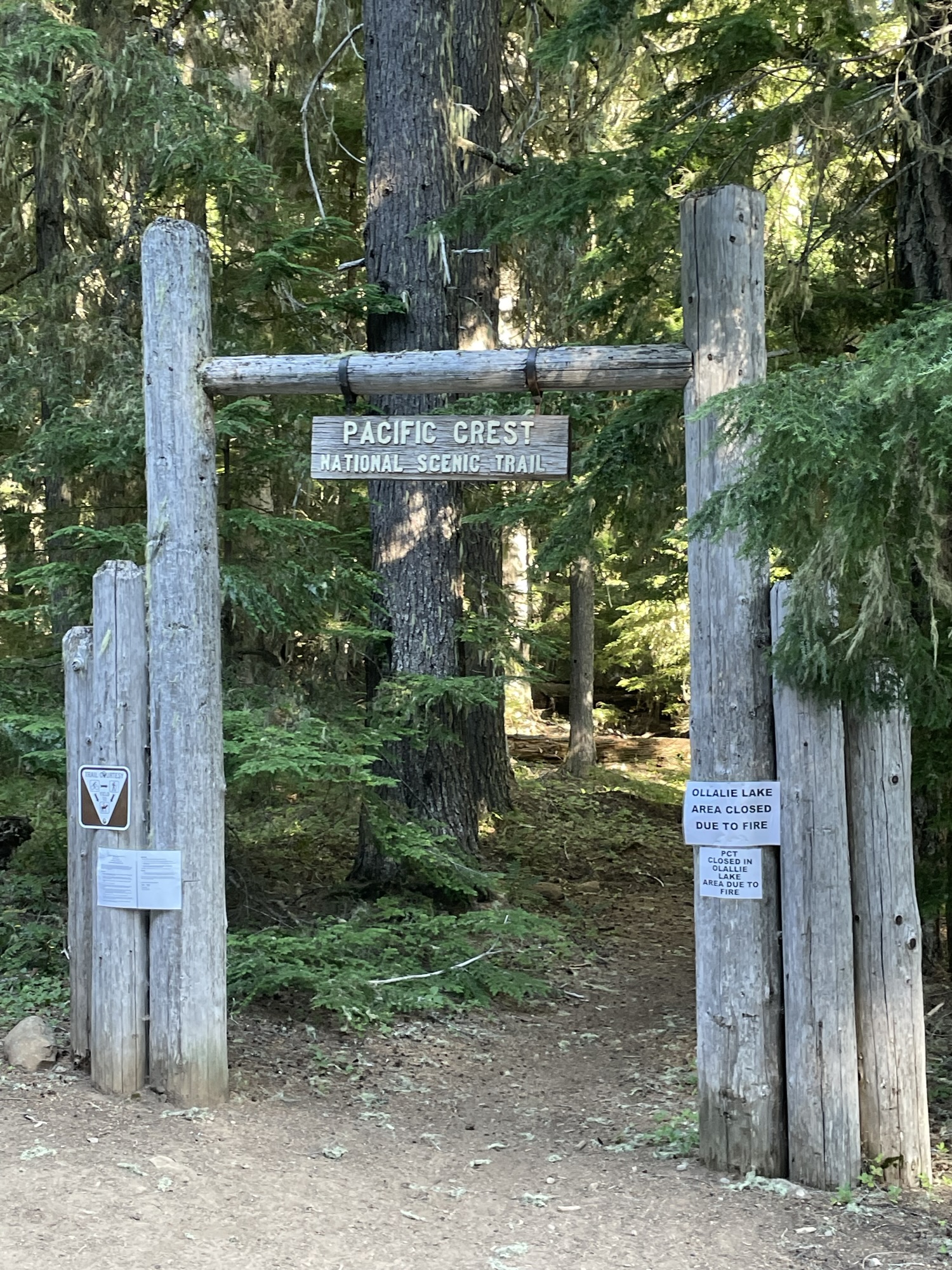
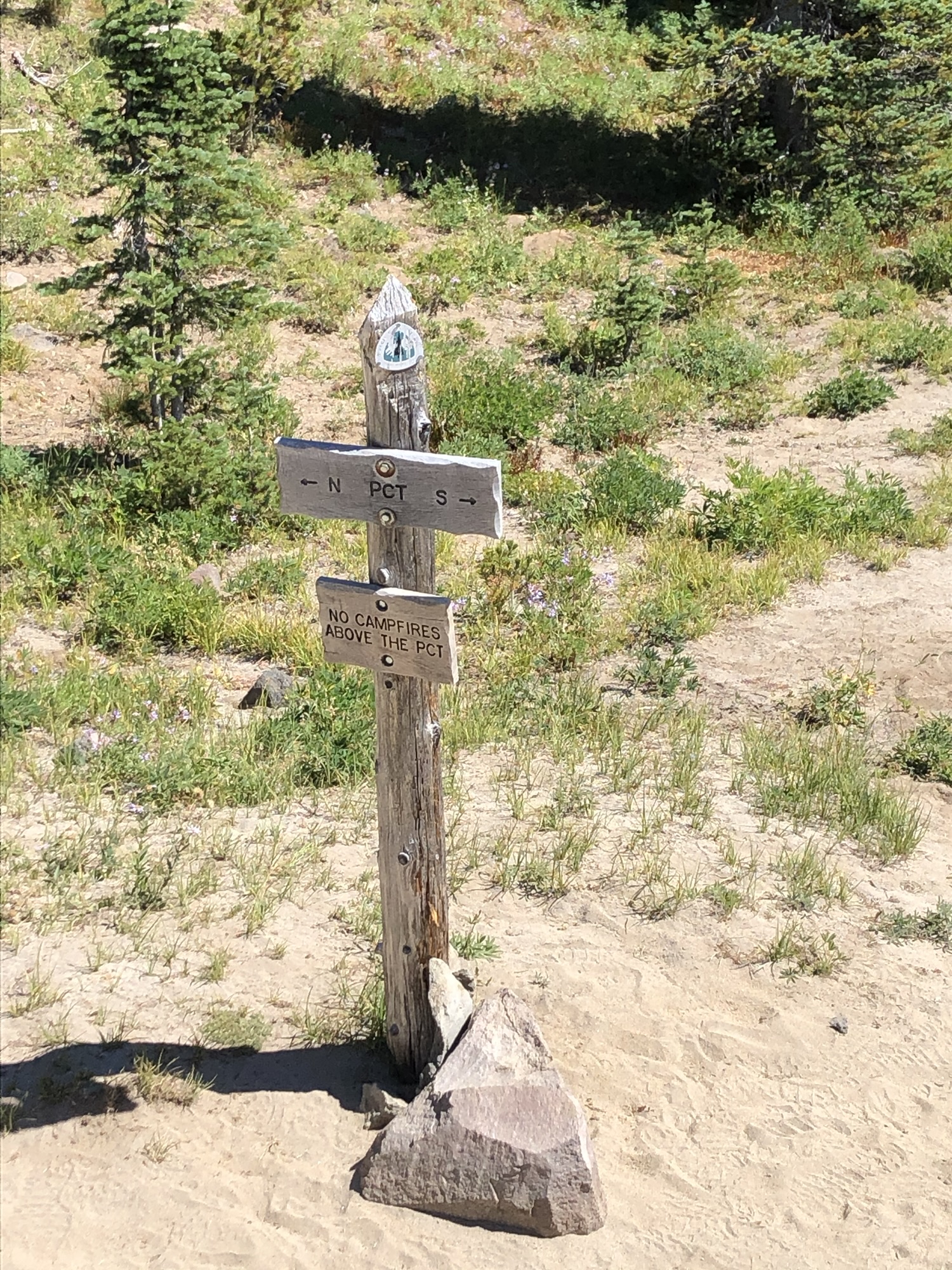
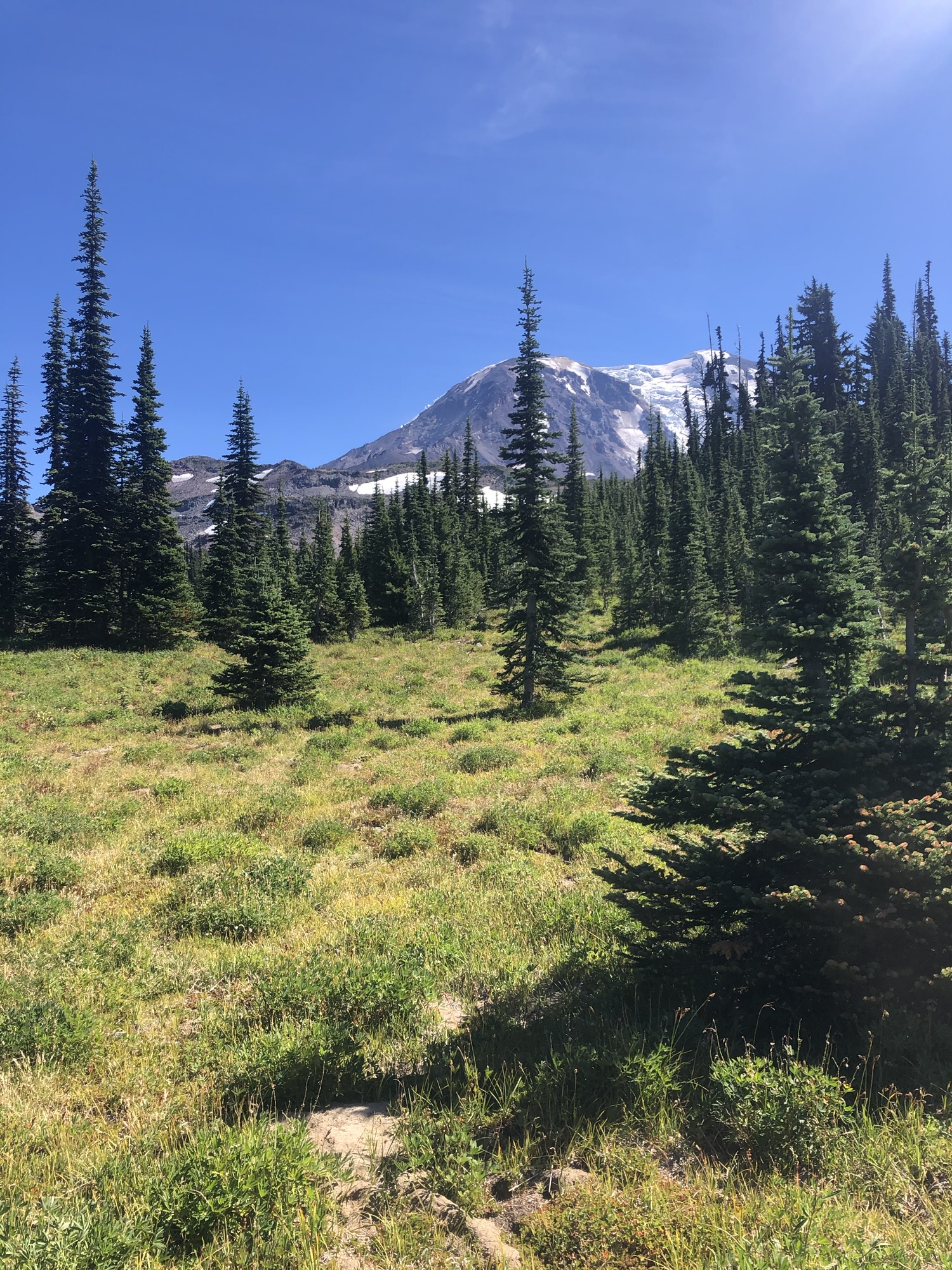
How to use this page
This is a reference hub, not a trail guide.
Use it to:
- See where the PCT overlaps with rideable trail systems
- Identify camps located on or near the PCT corridor
- Plan realistic segments based on season, access, and conditions
- Connect PCT sections with alternate or parallel routes
All trail and camp listings shown here are pulled from the Pacific Crest Trail tag.
→ View all PCT-tagged trails and camps
Riding the PCT by Segments
Most horse riders experience the Pacific Crest Trail in sections, often over multiple trips or seasons. Segment choices are shaped by:
- Snowpack and melt timing
- Fire history and closures
- Wilderness regulations
- Available camps and water
- Horse conditioning and recovery needs
A Trail with an Equestrian Legacy
Horses have been part of the Pacific Crest Trail since its earliest days. Long before it became a national scenic trail, many sections followed existing stock routes used by packers, outfitters, and working horses.
Over the decades, dedicated riders have completed long portions — and in some cases the full trail — demonstrating that the PCT remains a viable, if demanding, route for stock travel when approached thoughtfully and within regulations.
This history matters. It’s why stock access remains protected along much of the trail today.
Stock Use & Trail Maintenance
The Pacific Crest Trail is designed and maintained for multiple user groups, including horses. Many sections meet stock standards for tread width, grade, and clearance, though conditions vary widely by region and year.
Trail maintenance is supported by a mix of:
- Federal land agencies
- Volunteer crews
- Partner organizations
- Stock-specific advocacy groups
That said, not every section is ideal for horses at all times. Successful riding depends on choosing appropriate segments, understanding current conditions, and respecting closures and regulations.
Planning Considerations
When using the PCT for horse travel, riders should account for:
- Long stretches between reliable water
- High-elevation snow lingering into summer
- Fire closures and reroutes
- Stock regulations within wilderness areas
- Heavy foot traffic during peak hiking season
Good PCT planning often involves leaving the trail briefly to access better camps, water, or footing.
Helpful Resources
For riders planning time on the Pacific Crest Trail, these resources provide up-to-date information and broader context:
- Pacific Crest Trail Association — trail conditions, closures, permitting and stewardship information
- All PCT Equestrians Facebook Group — rider experience, segment discussions, and recent conditions
- Local ranger districts and land management offices for stock regulations and access updates
A Note on Long-Distance Riding
Riding along the Pacific Crest Trail rewards patience and restraint. Many successful PCT rides happen in carefully chosen segments over time, rather than as continuous pushes.
There’s no single “right” way to ride it — only ways that keep horses sound, plans flexible, and decisions grounded in real conditions.
 Moquistang; one little mustang who does it all.